
XoiLac TV trực tiếp bóng đá miễn phí Xôi Lạc 90phut TV
- Tất cả
- Trực tiếp
- Nóng
- Hôm nay
- Ngày mai
 HOPE
HOPE 


Bất cứ ai yêu bóng đá cũng mong muốn tìm cho mình một địa chỉ xem bóng đá trực tiếp mượt, nét và không bị chặn. Trong đó Xoilac TV chính là một sự lựa chọn hoàn hảo khi có thể đáp ứng thêm được rất nhiều tiêu chí khác nữa. Đây là kênh xem bóng đá trực tuyến miễn phí hàng đầu Việt Nam và còn được nhiều quán cà phê lựa chọn để phát sóng

Lịch sử hình thành và mục tiêu của kênh Xoilac TV
Xoilac TV đã được hình thành hơn 10 năm trên thị trường Việt Nam và đang không ngừng phát triển để phù hợp hơn với nhu cầu xem bóng đá hiện đại. Đây là sản phẩm xem trực tiếp bóng đá chất lượng của đội ngũ những người đam mê bóng đá tạo ra. Chính vì thế Xoilac TV có thể thấu hiểu nhu cầu và mọi mong muốn của người hâm mộ để cung cấp những tính năng tuyệt vời nhất đáp ứng mọi trải nghiệm.
Mục tiêu của kênh Xoilac TV là kết nối người hâm mộ lại với nhau để cùng xem trực tiếp bóng đá. Trong đó số lượng người dùng của kênh càng ngày càng tăng để tạo nên một cộng đồng đông vui, sôi động. Xôi lạc cũng sẽ cố gắng để tạo ra những sản phẩm, dịch vụ tiện ích chất lượng nhất, phấn đấu trở thành địa chỉ xem trực tiếp bóng đá hàng đầu Việt Nam và vươn tầm ra thế giới.
Xem truc tiep bong da Xoilac TV có gì hấp dẫn
Xem trực tiếp bóng đá tại Xoilac TV có rất nhiều điểm hấp dẫn người hâm mộ. Đó là sự đa dạng của các giải đấu, tin tức bóng đá cũng như sự chuyên nghiệp và chất lượng trải nghiệm tuyệt vời được thể hiện rõ nét qua các khía cạnh sau đây:
Quy tụ các giải đấu bóng đá lớn nhỏ
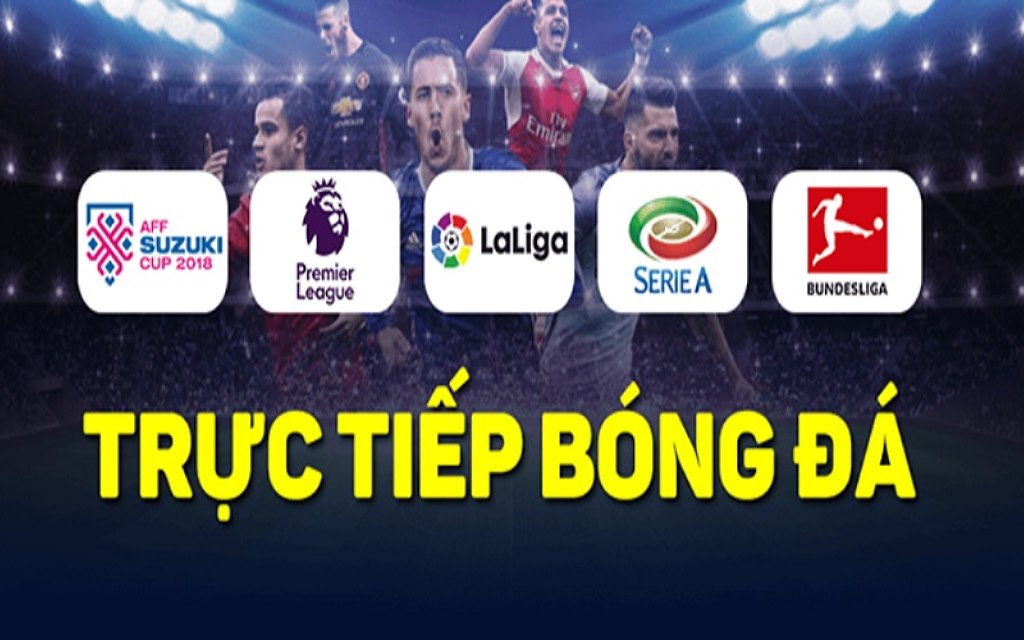
Các giải đấu bóng đá có trong Xôi Lạc TV vô cùng phong phú và đa dạng. Có thể nói trên thế giới diễn ra những giải đấu nào thì Xoilac cũng kết nối để phát sóng trực tiếp được cho người hâm mộ bóng đá Việt Nam theo dõi. Với Xoilac, mỗi giải đấu đều có những giá trị cũng như điểm hấp dẫn riêng và không thể bỏ qua được.
Trong số những giải bóng đá trực tiếp tại Xoilac TV luôn có những giải đấu nổi bật nhất thu hút đông đảo người hâm mộ quan tâm và đón xem. Đó là Giải vô địch bóng đá thế giới (FIFA World Cup), giải vô địch bóng đá châu Âu (Euro), Cúp C1 (UEFA Champions League), giải vô địch bóng đá Ngoại hạng Anh (Premier League), Cúp C2 (UEFA Europa League), giải vô địch bóng đá Nam Mỹ (Copa America)….
Đội ngũ bình luận viên chuyên nghiệp
Điểm hấp dẫn thứ 2 của trang xem trực tiếp bóng đá Xoilac TV là đội ngũ bình luận viên chuyên nghiệp. Họ chính là người đồng hành cùng người hâm mộ trong mọi trận đấu bóng đá trực tiếp. Bình luận viên sẽ đưa ra những lời bình luận sâu sắc bám sát từng hành động và cử chỉ của các cầu thủ trên sân bóng. Ngoài ra họ còn có những câu nói ấn tượng giúp người xem bóng đá luôn cảm thấy thích thú và cuốn hút hơn.
Đội ngũ bình luận viên của Xoilac TV vốn là những người có tài ăn nói và có kiến thức sâu rộng, cực kỳ am hiểu về bóng đá. Chính vì thế nhận định của những BLV này về những gì diễn ra trên sân cỏ đều vô cùng tinh tế, nhanh nhạy và chính xác cao. Để có được những bình luận viên chất lượng và chuyên nghiệp như vậy, Xoilac TV đã phải tuyển chọn rất kỹ lưỡng, đồng thời đào tạo bài bản để có thể phục vụ nhu cầu người xem được tốt nhất.
Thiết kế giao diện bắt mắt, ấn tượng
Thiết kế giao diện bắt mắt cũng là một trong những điểm nhấn để Xoilac hấp dẫn người xem. Cụ thể những nhà thiết kế trang web này đã rất tỉ mỉ trong việc xây dựng các chuyên mục sao cho khoa học và dễ nhìn nhất. Sự chu đáo và cẩn thận trong giao diện của Xoilac TV còn được thể hiện qua phông nền ấn tượng. Trong đó màu xanh lá cây và đen làm chủ đạo sẽ làm nổi bật lên phần nội dung.
Link trực tiếp bóng đá tại Xoilac chất lượng cao
Xoilac TV cung cấp những đường link xem trực tiếp bóng đá chất lượng cao. Link truy cập nhanh chóng vào trận đấu chuẩn bị hoặc đang phát sóng trực tiếp. Trong đó video trực tiếp bóng đá thể hiện trong link do Xoilac mang đến vô cùng mượt mà, hình ảnh sắc nét có độ phân giải tối ưu nhất và âm thanh hết sức sống động. Những đường link này sẽ tạo cho người dùng trải nghiệm xem bóng đá rất chân thật.
Nói không với các banner và clip quảng cáo xuất hiện trong video trực tiếp bóng đá
Các video phát sóng trực tiếp bóng đá được cung cấp bởi Xoilac TV sẽ không có banner và clip quảng cáo. Đó là lời tuyên bố uy tín mà trang web này đưa ra, hứa hẹn sẽ mang đến trải nghiệm xem bóng đá tuyệt vời cho người hâm mộ. Xôi Lạc TV đã thực hiện rất nghiêm túc vấn đề này và hoạt động không vì lợi nhuận. Trang web chỉ mong muốn người hâm mộ sẽ được xem trực tiếp bóng đá với chất lượng tốt nhất có thể.
Cập nhật tin HOT về làng túc cầu đầy đủ
Những thông tin về làng túc cầu luôn rất phong phú và đa dạng với nhiều khía cạnh khác nhau. Thậm chí những tin tức này còn liên tục phát sinh mỗi ngày nên nếu không được cập nhật thì sẽ bị bỏ sót rất nhiều tin quan trọng. Thấu hiểu điều đó, Xoilac TV đã dành riêng cả một chuyên mục để viết về tin tức bóng đá nóng hổi và hot nhất. Theo đó người hâm mộ chỉ cần truy cập Xoilac là đã có trọn thế giới bóng đá trong tầm tay.
Xoilac TV có điểm gì nổi bật so với các kênh ttbd khác?
Tại thị trường Việt Nam, Xoilac TV luôn được đánh giá cao về chất lượng xem trực tiếp bóng đá. Đó là những ưu điểm tuyệt vời giúp trang web này nâng cao vị thế của mình cũng như khả năng cạnh tranh với những kênh ttbd khác. Cụ thể là:
Xem trực tiếp bóng đá Xoilac TV bị giật lag phải làm sao?
Tình trạng giật lag có thể xảy ra ở video xem trực tiếp bóng đá Xoilac TV cũng như bất cứ trang xem tructiepbongda nào khác trên thị trường. Đặc biệt là ở những trận đấu của những giải đấu lớn trên thế giới như Giải ngoại hạng Anh, Giải vô địch bóng đá thế giới…. Nguyên nhân gây ra tình trạng này có thể là do kết nối mạng mà bạn đang sử dụng quá kém hoặc đường truyền quá tải do có nhiều người truy cập cùng lúc.
Để giải quyết tình trạng giật lag và có trải nghiệm tốt hơn khi xem trực tiếp bóng đá, đầu tiên các bạn cần xác định rõ nguyên nhân. Bắt đầu từ nguyên nhân đơn giản nhất là kiểm tra lại kết nối internet của mình xem đã làm bảo chưa. Sau đó các bạn hãy nghĩ đến việc lựa chọn link xem trực tiếp bóng đá khác mà Xoilac TV cung cấp. Đó là đường link có tốc độ cao và mượt mà, ổn định hơn.
Ngoài ra khi xem trực tiếp bóng đá tại Xoilac TV trên thiết bị của mình, bạn cũng cần phải chú ý không sử dụng các ứng dụng khác. Việc bạn chạy qua lại giữa các ứng dụng rồi quay lại xem video bóng đá sẽ vô tình làm video bị giật lag. Tốt hơn hết bạn hãy tắt mọi ứng dụng đi khi đang trong quá trình xem bóng đá để luôn có trải nghiệm tốt nhất.
Xôilac TV có hệ thống bảo mật chắc chắn
Hệ thống bảo mật tại Xoilac TV vô cùng chắc chắn sẽ không làm lộ thông tin của người dùng khi đăng ký sử dụng dịch vụ xem trực tiếp bóng đá. Cụ thể trang web này đã sử dụng công nghệ bảo mật nhiều lớp rất thông minh, mã hóa toàn bộ thông tin và ngăn chặn mọi sự xâm nhập trái phép. Kể cả những hacker tài năng nhất cũng như virus siêu hạng cũng không thể bẻ khóa bảo mật của Xoilac được.
Bên cạnh đó Xoilac TV cũng cam kết bảo mật thông tin khách hàng trong chính sách hoạt động của mình. Mọi thông tin mà người dùng cung cấp chỉ để phục vụ cho quá trình hoạt động tại Xoilac. Đó là giúp cho website hiểu được nhu cầu để đáp ứng dịch vụ tiện ích xem trực tiếp bóng đá một cách tốt nhất. Ngoài ra sẽ không có bên thứ 3 nào biết tới những thông tin cá nhân này của người dùng cả.

Hướng dẫn các bước xem trực tiếp bóng đá trên XoilacTV
Xem trực tiếp bóng đá trên Xôi Lạc TV là một sự lựa chọn thông minh và hoàn hảo. Bạn sẽ không phải đi đâu xa và cũng không cần phải sắm sửa tivi để theo dõi những trận bóng đá trực tuyến mà mình yêu thích. Thay vào đó bạn có thể phát huy chức năng của chiếc điện thoại hoặc máy vi tính của mình một cách tốt nhất. Cụ thể các bước xem tructiepbongda tại Xoilac diễn ra tuần tự như sau:
- Bước 1: Vào trình duyệt internet mà bạn yêu thích ngay trên chính thiết bị của mình.
- Bước 2: Gõ chữ Xoilac TV trên thanh công cụ tìm kiếm của trình duyệt vừa mở ra ở bước 1. Sau đó nhấn nút đi.
- Bước 3: Lựa chọn trang web chính thức của Xoilac TV mà trình duyệt internet cung cấp.
- Bước 4: Đăng nhập vào tài khoản Xoilac TV để sử dụng dịch vụ xem trực tiếp bóng đá tốt nhất. Nếu chưa có tài khoản thì bạn hãy lựa chọn đăng ký trước rồi mới đăng nhập.
- Bước 5: Vào danh sách các trận đấu bóng đá và tìm kiếm trận đấu bạn đang muốn theo dõi. Sau đó lựa chọn link xem trực tiếp phù hợp mà Xoilac TV đưa ra. Trường hợp trận đấu chưa diễn ra, bạn hãy ghi nhớ thời gian trực tiếp và quay lại sau để xem.
Quy tắc khi xem bóng đá tại XoilacTV
Xoilac TV là kênh xem trực tuyến bóng đá miễn phí chất lượng cao được đông đảo người dùng yêu thích. Chính vì thế ở những video phát sóng bóng đá trực tiếp này luôn có rất nhiều người hâm mộ cùng theo dõi và bạn chỉ là một phần rất nhỏ trong đó. Theo đó những bình luận của bạn sẽ có nhiều người nhìn thấy và bạn cần đảm bảo sự văn minh lịch sự theo các quy tắc sau đây:
- Không bình luận bằng những ngôn từ thô tục, thiếu văn hóa như nói láo, chửi bậy hay nói xúc phạm ai đấy….
- Tôn trọng những người cùng xem trực tiếp bóng đá khác trên website của Xoilac.
- Không chia sẻ, bình luận nội dung liên quan tới cá độ bóng đá trong khung chát của Xoilac.
- Có thể thoải mái chia sẻ đường link xem trực tiếp bóng đá mà Xoilac TV cung cấp đến những người dùng khác.
- Không được phép mua bán đường link xem bóng đá tường thuật trực tiếp của Xoilac TV.
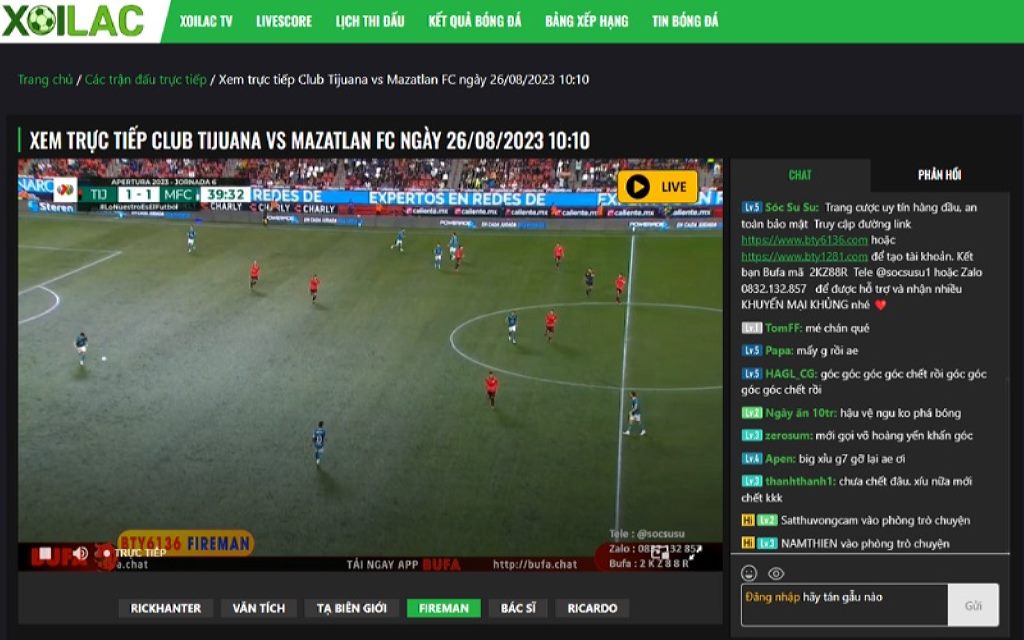
So sánh Xoilac với Socolive, Cakhia, TTBD và nhiều kênh khác
Hiện nay trên thị trường Việt Nam có vô số những kênh xem trực tiếp bóng đá khác nhau. Ví dụ như Xoilac TV, Socolive, Cakhia, TTBD và rất nhiều kênh khác. Trong đó mỗi kênh xem trực tiếp bóng đá này sẽ có những điểm mạnh riêng để đáp ứng nhu cầu của người hâm mộ trên khắp mọi miền đất nước.
Thực tế khi so sánh chất lượng của các kênh xem trực tiếp bóng đá sẽ thấy Xoilac TV luôn vượt trội hơn hẳn. Ở Xoilac luôn có đầy đủ các giải đấu bóng đá trên thế giới với tính năng đa dạng. Đằng sau Xoilac là sự hậu thuẫn cùng phát triển từ hàng trăm bình luận viên xuất trúng và đội ngũ biên tập nội dung bóng đá chuyên nghiệp. Chính vì thế kênh Xôi Lạc TV đã có những bước tiến thần tốc, trở thành từ khóa được tìm kiếm nhiều nhất.
Bên cạnh sự phát triển của kênh Xoilac TV, những kênh xem trực tiếp bóng đá khác như Socolive, Cakhia cũng đã được nhiều người biết tới. Tuy nhiên quy mô và tầm ảnh hưởng của những trang web này thì không thể bằng Xoilac được. Từ chất lượng video trực tiếp cho tới số lượng bình luận viên, sự phong phú và đa dạng về tin tức hay số lượng lượt tìm kiếm thì vẫn luôn ít hơn Xoilac.
So sánh bóng đá Xoilac với kênh truyền hình K+
K+ được biết tới là kênh xem trực tiếp bóng đá có bản quyền, uy tín và đã phục vụ khán giả từ rất lâu rồi. Tuy nhiên không vì thế mà Xôi Lạc TV tỏ ra kém cạnh, thậm chí ở một số tiêu chí nhất định, Xoilac còn có phần đỉnh hơn. Cụ thể Xoilac có đội ngũ bình luận viên lớn đi theo trận đấu, số lượng giải đấu nhiều, hình thức truy cập đa dạng và tiện lợi hơn K+. Đặc biệt xem trực tiếp bóng đá tại Xoilac là hoàn toàn miễn phí, còn ở K+ sẽ mất phí hàng tháng.
Bên cạnh đó Xôi Lạc TV có chất lượng xem video trực tiếp nhanh nhạy, mượt mà, không bị giật lag ngang ngửa K+. Mặt hạn chế hơn của Xoilac chỉ là không phải đài truyền hình được trình chiếu trên tivi. Thế nhưng với giới trẻ mà nói thì việc sử dụng trình duyệt internet hoặc ứng dụng trên điện thoại như của Xoilac sẽ tiện lợi, nhanh chóng và được yêu thích hơn cả.
Bình luận bóng đá trực tiếp yêu thích nhất tại Xoilac TV
Đội ngũ bình luận bóng đá trực tiếp của Xoilac TV rất lớn để mỗi ngày có thể bình luận được hàng trăm trận đấu. Họ là linh hồn và là một phần vô cùng quan trọng không thể thiếu của một trận bóng đá trực tuyến. Đặc biệt sau mỗi lần được bình luận trận đấu, những BLV này không chỉ được rèn luyện, cọ xát, nâng cao kỹ năng của mình mà còn có cơ hội đến gần hơn với người hâm mộ. Trong đó những bình luận viên bóng đá xuất sắc được yêu thích nhiều nhất phải kể đến là:
- Vũ DIA: Bình luận viên đời đầu của team Xoilac TV và rất chuyên nghiệp trong cách bình luận trận đấu nên có số lượng fan theo dõi cực kỳ đông đảo.
- Phong Camen: Là bình luận viên có sự quan sát trận đấu vô cùng tinh tế và nhạy bén giúp khán giả có cái nhìn chân thật nhất về những gì đang diễn ra trên sân cỏ.
- Bão táp: Khả năng ăn nói hoạt ngôn, trí nhớ tốt, bình luận sắc bén và chất lừ.
- Cô đơn: Đưa ra những bình luận cuốn hút người nghe bằng chất giọng trầm ấm. Kỹ năng bình luận chuyên nghiệp và có tinh thần tập trung cao độ.
- Noname: Người vô danh không muốn cho ai biết tên mình. Tuy nhiên tài năng ăn nói thiên bẩm và kiến thức bóng đá sâu sắc đã giúp anh bình luận bóng đá chuẩn không cần chỉnh. Chính vì thế Noname đã ghi được dấu ấn sâu đậm với người hâm mộ và thu hút họ quan tâm theo dõi trận đấu.
Trực tiếp bóng đá xoilac 7 là gì?
Trực tiếp bóng đá Xoilac 7 cũng là một trong những địa chỉ xem ttbd uy tín cùng hệ thống với Xôi Lạc TV. Tuy nhiên Xoilac 7 đã tách ra 1 đường link khác để người dùng có thể lựa chọn truy cập thay thế khi đường link chính thức bị chặn hoặc quá tải. Ngoài ra khi sử dụng trang web mới này để xem trực tiếp bóng đá, bạn sẽ hạn chế được tình trạng giật lag và chất lượng xem video trực tuyến cũng không khác gì Xoilac TV.
Đến với trực tiếp bóng đá Xoilac 7, người dùng vẫn được sử dụng đầy đủ tiện ích bóng đá. Đó là lịch thi đấu, kết quả, bảng xếp hạng, tin tức bóng đá, highlight, bình luận bóng đá, livescore. Trang web Xoilac 7 cũng thừa kế trọn vẹn thiết kế giao diện đồ họa đẹp, dễ nhìn, hiệu ứng âm thanh chân thực, sống động, video xem trực tiếp bóng Full HD sắc nét tới từng chi tiết.

Tại sao nhiều quán cà phê lựa chọn kênh xem bóng đá Xoilac TV để phát sóng?
Xoilac TV là lựa chọn hàng đầu của các quán cà phê để phát sóng trực tiếp bóng đá chất lượng cao phục vụ khách hàng. Không phải ngẫu nhiên Xoilac lại được những địa chỉ lớn như thế này yêu thích sử dụng. Tất cả phải nhờ vào chất lượng thực sự mà Xoilac có thể mang lại sau đây:
Cách tìm kiếm trang bóng đá Xoilac link chuẩn trên mạng
Việc tìm kiếm trang bóng đá Xoilac link chuẩn trên mạng là vô cùng quan trọng và cần thiết. Theo đó bạn mới có thể có được trải nghiệm tốt nhất với xem tructiepbongda. Đường link chuẩn giúp truy cập nhanh chóng, dễ dàng, video xem trực tiếp bóng đá mượt mà, ổn định, trận đấu diễn ra với chất lượng cao, bình luận viên uy tín….
Để việc tìm kiếm Xoilac chính xác, các bạn cần phải sử dụng từ khóa chuẩn. Trong đó những từ khóa tốt nhất là Xoilac, Xôi Lạc TV, Xoilac TV, trực tiếp bóng đá Xoilac, xoi lac, xem bong da xoi lac…. Bên cạnh đó người dùng cũng cần phải biết rõ các kênh hợp tác trong hệ thống của Xoilac để đảm bảo lựa chọn link đúng được mạng internet đề xuất.
Các kênh mà Xoilac TV đã trải qua trong quá trình phát triển
Sau nhiều năm hoạt động trên thị trường Việt Nam, Xoilac TV đã phát triển ra rất nhiều kênh khác nhau để đáp ứng trọn vẹn nhu cầu xem trực tiếp bóng đá của người hâm mộ. Điểm chung của các kênh này là đều xuất hiện chữ Xoilac gắn liền trong tên miền. Cụ thể các kênh đó là Xoilac TV, Xoilactv live, Xoilac1, Xoilac2, Xoilac3, Xoilac4, Xoilac5, Xoilac6, Xoilac7, Xoilac8….
Các giải bóng đá được XoilacTV thường xuyên phát trực tiếp
Các giải đấu được thường xuyên phát trực tiếp tại kênh Xoilac nhất phải kể đến là:
- Giải bóng đá ngoại hạng Anh.
- Giải vô địch bóng đá châu âu.
- Giải vô địch bóng đá Tây Ban Nha.
- Giải vô địch bóng đá Ý.
- Giải vô địch bóng đá Đức.
- Giải vô địch bóng đá các quốc gia Nam Mỹ.
- Giải vô địch bóng đá Việt Nam.
Báo chí nói gì về Xôi Lạc TV – trang xem bóng đá miễn phí
Với chủ đề về Xôi Lạc TV – trang xem trực tiếp bóng đá miễn phí, báo chí cũng đã thừa nhận về tốc độ phát triển nhanh chóng mặt. Chỉ với mấy năm hình thành và phát triển, trang web này đã lôi cuốn một bộ phận đông đảo người hâm mộ Việt Nam quan tâm theo dõi. Xoilactv đã tạo ra một hệ thống kênh xem trực tiếp bóng đá lớn mạnh có khả năng đáp ứng nhu cầu của tất cả mọi người.
Khán giả nói gì về bóng đá Xoilac TV?
Khán giả khi xem bóng đá Xoilac TV cũng đã rất hài lòng và cảm thán sự nhiệt tình của đội ngũ phát triển của kênh. Trong khi truyền hình K+ cũng trực tiếp bóng đá nhưng thu phí của người dùng thì ở Xoilac lại không mất bất cứ đồng phí nào cả. Hơn nữa chất lượng xem bóng đá lúc nào cũng căng đét mượt mà, thậm chí còn không có quảng cáo chen ngang nên rất tuyệt vời.

Câu hỏi thường gặp khi xem ttbd tại Xoilac TV
Khi xem ttbd tại Xoilac TV là lựa chọn hoàn hảo cho người xem. Tuy nhiên cũng có không ít các câu hỏi thắc mắc từ người dùng về kênh này và câu hỏi thường gặp nhất là:
Xoilac có phải là nhà cái không?
Xoilac TV cung cấp cho người dùng những video xem trực tiếp bóng đá chất lượng nhất về mọi giải đấu trên thế giới. Bên cạnh đó là những tin tức hay nhận định kết quả trận đấu. Đó đều là những thông tin thú vị về bóng đá và thu hút sự quan tâm của đông đảo mọi người. Ở Xoilac TV không hề tổ chức cá độ bóng đá hay tham gia các hoạt động cá độ thể thao, đánh bài. Chính vì thế không thể nói Xoilac là nhà cái được.
Truy cập vào Xoilac.tv có cần đăng ký tài khoản thành viên không?
Để đáp ứng tốt nhất nhu cầu xem trực tiếp bóng đá cho người hâm mộ, Xoilac TV sẽ yêu cầu đăng ký tài khoản. Tuy nhiên nếu như không muốn tiết lộ thông tin, các bạn có thể không đăng ký thành viên cũng được.
Xoilac có yêu cầu độ tuổi truy cập không?
Nhằm đảm bảo tính an toàn và lành mạnh cho người dùng, Xoilac yêu cầu độ tuổi truy cập phải từ 18 trở lên. Theo đó những ai dưới 18 tuổi sẽ bị Xoilac từ chối cung cấp dịch vụ khi phát hiện ra.
Người dùng vi phạm điều khoản do Xôilac.tv cung cấp có bị xử phạt không?
Xoilac có những quy định cụ thể về điều khoản sử dụng. Do đó nếu người dùng cố tình vi phạm sẽ bị Xoilac từ chối cung cấp dịch vụ, đồng thời khóa tài khoản, chặn link truy cập vĩnh viễn.
Đăng ký làm bình luận viên tại XoilacTV khó không?
Để đăng ký làm bình luận viên tại Xoilac TV rất đơn giản. Các bạn chỉ cần liên hệ Xoilac và xin ứng tuyển. Sau khi tiếp nhận thông tin, Xoilac sẽ kiểm tra trình độ của bạn bằng những bài test thử và đưa ra quyết định cuối cùng.
Xoilac có hỗ trợ kết quả bóng đá trực tiếp không?
Kết quả bóng đá trực tiếp là một tính năng thú vị tại Xoilac TV. Qua đó người hâm mộ có thể biết được tỷ số của trận đấu đang diễn ra ngay cả khi không theo dõi trực tiếp.
Tổng kết
Nhìn chung Xoilac TV là một kênh xem trực tiếp bóng đá miễn phí chất lượng có thể đáp ứng tốt nhu cầu cho mọi người dùng. Ở đây có nhiều tiện ích, có nhiều cách truy cập và hơn hết là chất lượng xem video bóng đá tuyệt vời không thể bỏ qua.